10 Fun Ways to Practice Math at the Grocery Store
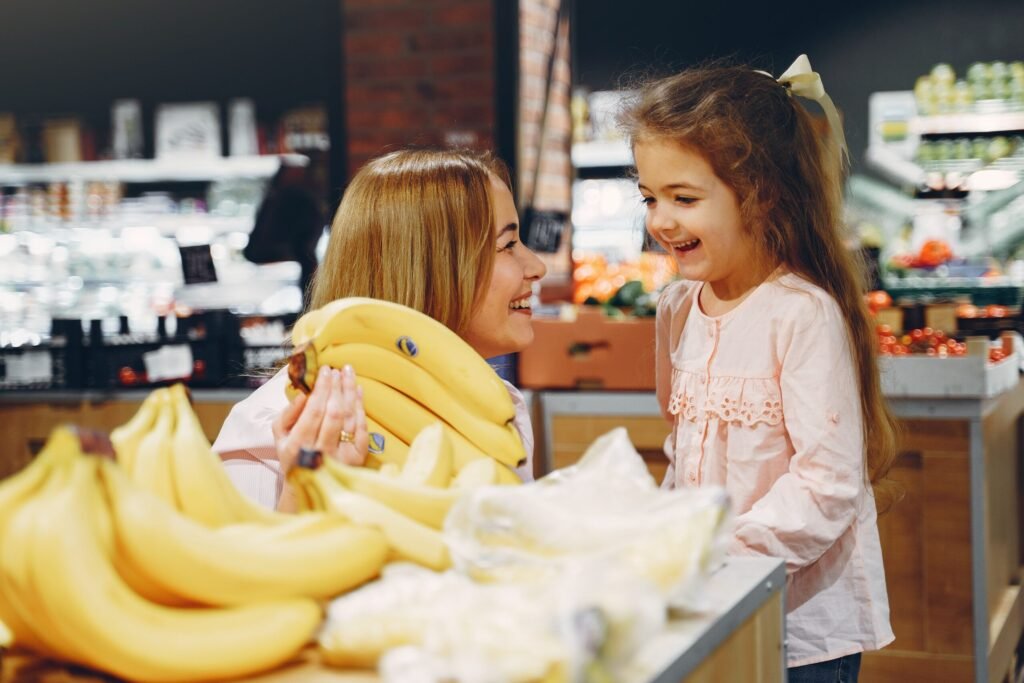
Every grocery run is a hidden math class waiting to happen. Kids don’t need flashcards or worksheets to build number sense — they need real numbers, real money, and real reasons to count. Next time you’re pushing a cart down the aisle, try turning your child into your co-pilot with these ten simple activities.
1. The Counting Cart
Hand your child a small item — apples, yogurt cups, boxes of pasta — and ask them to count out exactly the number you need. “We need 6 apples, can you count them into the bag?” Simple, but it builds one-to-one correspondence, the foundation of all counting.
2. Price Detective
Ask your child to find the price tag for an item and read the number out loud. For younger kids, focus just on recognizing the digits. For older kids, ask: “Which is more, this one or that one?” You’re building number comparison without even trying.
3. Estimate the Total
Before you reach the checkout, ask your child to guess how much the cart will cost. It doesn’t matter how close they get — the guessing itself trains estimation skills, which matter far more in real life than most people realize.
4. Weigh It Out
At the fruit and vegetable scale, let your child place items on and watch the number change. Ask questions like, “Is this heavier or lighter than that?” This introduces the idea of measurement in a completely hands-on way.
5. Coupon Math
If you use coupons or discount stickers, let your child help figure out the new price. Even a rough subtraction (“this was 100, now it’s 20 off”) gets them thinking about how numbers move.
6. Shape Scavenger Hunt
Ask your child to spot a box shaped like a cube, a can shaped like a cylinder, or a chip bag shaped like a rectangle. Math isn’t only numbers — recognizing shapes in the real world builds early geometry skills.
7. Divide and Share
If you’re buying a pack of something — say, 8 juice boxes for 4 people — ask, “How many does each person get?” This is division in disguise, and it’s far more memorable than a worksheet.
8. The Change Challenge
If you’re paying with cash, let your child help count the change once you’re back in the car. Even better, ask them to predict how much change you’ll get before the cashier tells you.
9. Aisle Number Patterns
Grocery aisles are usually numbered. Ask your child to read the numbers as you pass and notice the pattern — odd numbers on one side, even on the other, or numbers going up as you walk.
10. Build a Mini Budget
For older children, give them a small amount of pretend “budget” and ask them to pick snacks that fit within it. This introduces addition, subtraction, and the very real skill of making choices with limited resources.
Why This Works
Children learn math best when it’s attached to something they can touch, see, and use immediately. A grocery store is full of quantities, comparisons, and patterns — all the raw material of early math, just waiting to be noticed. The next trip to the store doesn’t have to be a chore for either of you; it can be twenty minutes of playful practice that sticks far better than a page of sums.
If your child enjoys these hands-on number games, they’ll likely enjoy structured practice just as much when it’s presented the same way — through pictures, patterns, and play rather than repetition alone. A good math workbook or activity set can carry that same spirit home, giving your child steady practice between grocery trips.