
How to Set Up a Home Learning Corner Using Just a Few Simple Tools
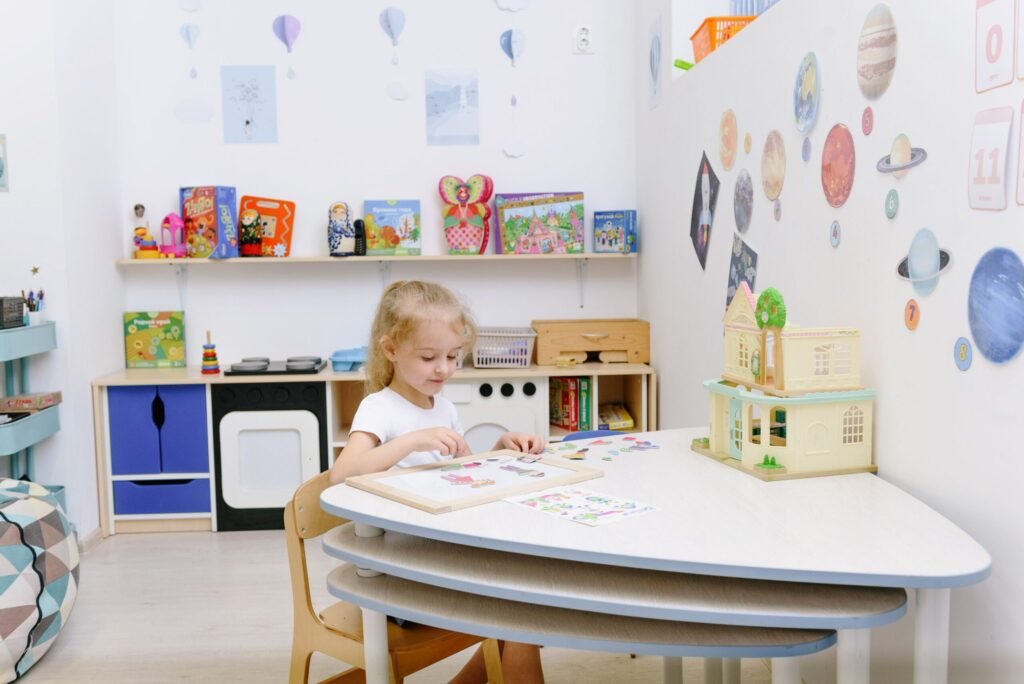
You don’t need a spare room, an expensive desk, or a Pinterest-worthy setup to give your child a dedicated space for learning. A home learning corner is really about consistency and intention a small, defined spot where your child knows: “This is where I read, write, and practice.” Here’s how to build one with just a few simple tools.
Step 1: Pick a Spot — Any Spot
A corner of the living room, a small table by a window, or even a designated section of the dining table can work. What matters most isn’t the size of the space but its consistency. When a child sits in the same spot regularly for learning, their brain starts associating that space with focus.
Step 2: Keep It Simple — Just the Essentials
You don’t need a full classroom setup. A basic home learning corner really only needs:
- A flat surface to write and draw on
- A comfortable chair at the right height
- Good lighting, ideally natural light
- A small storage box or basket for supplies
- A few learning materials a workbook, some copies, pencils, and crayons
That’s genuinely enough to start.
Step 3: Stock It with the Right Materials
A well-stocked corner doesn’t mean an overloaded one. Keep a small rotation of materials so your child isn’t overwhelmed by choice:
- A leveled workbook appropriate to their stage (Playgroup through Step 3, for example)
- A copy or notebook for handwriting practice
- Flashcards for quick daily review
- Crayons, pencils, and an eraser
- A reading book or two
Rotate materials occasionally to keep things fresh, but avoid cramming the space with everything at once.
Step 4: Add a Visual Routine
Young children thrive with visual structure. A simple printed schedule — even just three or four steps like “Read → Write → Practice Math → Free Draw” helps children understand what’s expected without needing constant reminders from you.
Step 5: Minimize Distractions
Keep toys, screens, and clutter out of the immediate learning space. This doesn’t mean the corner has to be sterile or boring just visually calm enough that your child’s attention naturally settles on the task in front of them rather than what’s nearby.
Step 6: Make It Theirs
Let your child personalize the space in small ways a name tag, a favorite color folder, or a drawing they made taped nearby. Ownership over the space increases their willingness to actually use it.
Step 7: Keep Sessions Short and Consistent
Especially for younger children, 15–20 minutes of focused time is often more effective than an hour of forced sitting. A learning corner works best when it’s used often and briefly, not occasionally and for long stretches.
Why a Dedicated Space Makes a Real Difference
Children — like adults — perform better with structure. A defined learning corner removes the daily negotiation of “where do we do this?” and replaces it with a simple, repeatable routine. Over time, that consistency builds habits that last far beyond early childhood.
You likely already have most of what you need. A small stack of workbooks, some copies, a set of flashcards, and a quiet corner of the house is enough to start building a learning habit that sticks.